Exploring the Environmental Effects of Paper Bag Packaging versus Plastic
The discussion about paper versus plastic bags underscores considerable environmental concerns. Paper bags present biodegradability and the potential for sustainable production. Nonetheless, they also necessitate significant energy and water during manufacturing. In contrast, plastic bags use less energy but lead to persistent pollution. This complex interplay of factors raises important questions about sustainability and consumer impact. What solutions can reconcile these competing interests?
The Manufacturing Process: Environmental Factors
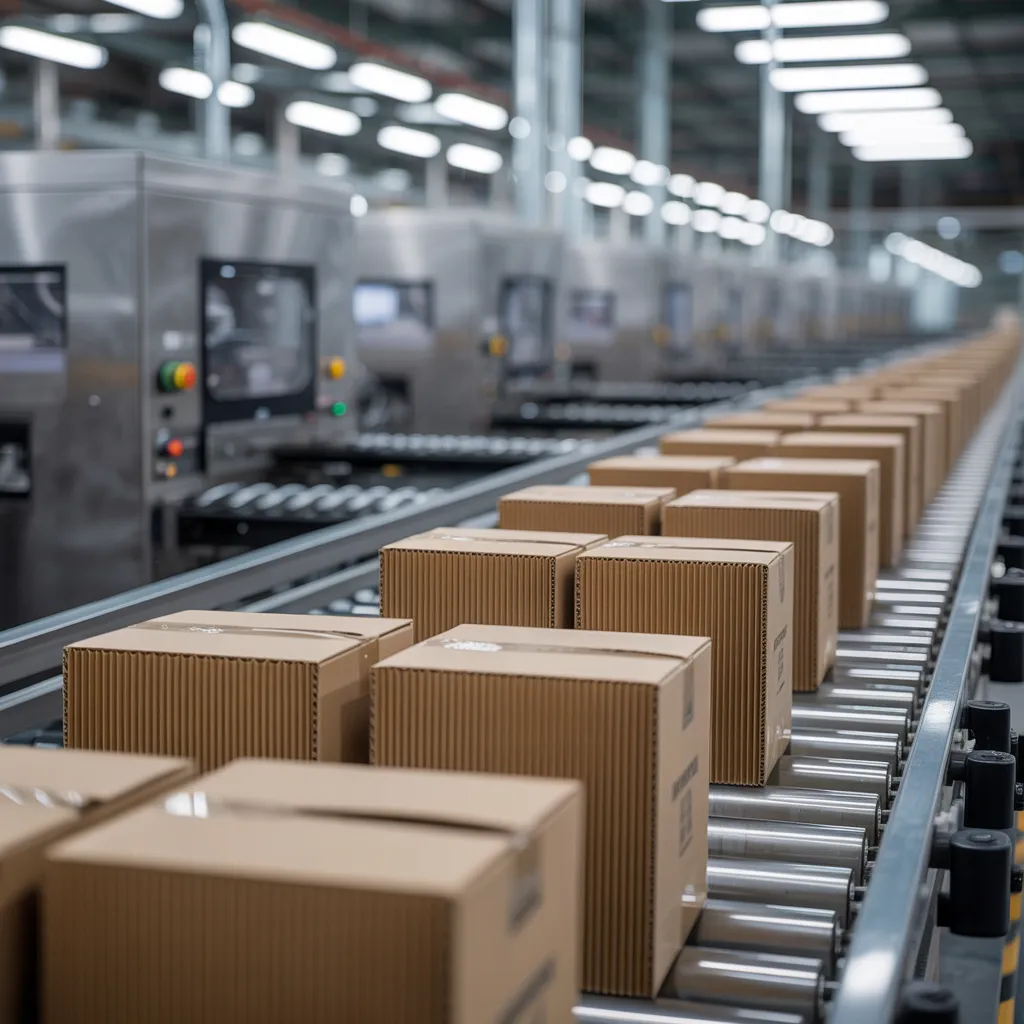
Though both paper and plastic bags fulfill equivalent purposes, their production processes markedly differ, affecting the environment in diverse ways. Paper bags are commonly made from trees, calling for deforestation and water consumption, which can cause habitat loss and soil erosion. The method includes pulping and bleaching, often using destructive chemicals that can contaminate waterways. Alternatively, plastic bags are obtained from petroleum, a non-renewable resource. Their creation entails the extraction of fossil fuels, which can result in substantial environmental degradation, including oil spills and greenhouse gas emissions.
Furthermore, the manufacturing of plastic bags usually requires less energy compared to paper, though the extraction and refining of fossil fuels can have harmful effects. Both processes lead to pollution but in different manners, highlighting the complexity of environmental considerations linked to each type of bag. Understanding these factors is essential for consumers making environmentally conscious choices.
Carbon Footprint and Energy Consumption
When assessing the environmental impact of plastic and paper bags, energy consumption and carbon footprint emerge as critical factors. The production of paper bags typically requires more energy relative to plastic bags, primarily due to the processes involved in tree harvesting, pulping, and manufacturing. This energy-intensive process results in a higher carbon footprint for paper bags, especially when accounting for transportation emissions from sourcing raw materials.
On the other hand, plastic bags, produced from petroleum-based products, tend to have a lower initial energy requirement during production. Nevertheless, the extraction and refinement of fossil fuels substantially impact their overall carbon footprint.
It is important to examine the complete lifecycle of both materials, as energy consumption during fabrication, transportation, and potential disposal methods can substantially influence their environmental footprints. Knowing these dynamics is crucial for making sound choices regarding packaging options and their sustainability.
Waste Management and Biodegradability
Waste management and biodegradability represent essential factors when evaluating paper and plastic bags, as their environmental impacts go further than production to their end-of-life scenarios. Paper bags are often touted for their biodegradability, decomposing naturally within months under the right conditions. However, this process demands proper disposal methods, such as composting, which are not available everywhere. On the other hand, plastic bags can take several hundred years to decompose, presenting substantial long-term pollution problems.
Moreover, improper disposal of plastic contributes to extensive oceanic pollution and environmental litter, while paper bags, though more biodegradable, still require resources during fabrication and delivery. The rates of recycling for both materials fluctuate regionally, shaping their comprehensive performance in waste management. Communities that focus on waste recycling and organic composting can minimize some of these consequences, but without sufficient infrastructure, both bag types introduce environmental challenges that require comprehensive solutions.
Life Cycle Analysis: Comparing Paper and Plastic
An in-depth life cycle assessment (LCA) demonstrates that both paper and plastic bags have unique environmental footprints from production to disposal. The production of paper bags typically requires more water and energy, producing higher greenhouse gas emissions relative to plastic bags. Nonetheless, paper bags are produced from renewable resources, which can minimize some environmental concerns if sourced sustainably.
Conversely, plastic bags are manufactured using less energy but are sourced from non-renewable fossil fuels, leading to resource depletion and pollution. Their lightweight nature allows for lower transport emissions.
When examining disposal, paper bags typically biodegrade more easily, while plastic bags persist in the environment for hundreds of years, posing enduring ecological hazards.
Finally, the LCA demonstrates that both types of bags have considerable environmental impacts that change depending on factors such as production processes, usage frequency, and waste management systems.
Shopping Habits and Sustainable Selections
In what ways do consumer decisions affect environmental sustainability? Consumers play an essential role in molding environmental outcomes through their buying choices. The interest in sustainable products, including paper bags, regularly drives manufacturers to pursue eco-friendly practices. Research indicates that when consumers give precedence to sustainability, businesses are inclined to innovate and provide environmentally responsible solutions. However, the prevalence of plastic packaging remains a challenge to these efforts, as convenience commonly overrides environmental considerations for numerous consumers.
Additionally, customer understanding and information considerably impact behavior towards sustainable choices. Campaigns promoting the benefits of paper bags over plastic can result in increased acceptance and usage of greener alternatives. Ultimately, the collective choices of consumers influence market trends and foster the shift towards more sustainable practices. As individuals grow more informed about their environmental impact, their preferences can nurture a culture of sustainability within the marketplace.
FAQ
Do Paper Bags Cost More Than Plastic Bags?
Paper bags are generally more expensive than plastic bags as a result of higher production find this resource costs. Nevertheless, prices can vary in relation to material quality, supplier, and quantities purchased, impacting overall cost comparisons between the two options.
Are Paper Bags Carry More Weight Than Plastic Bags?
Paper bags usually possess a lower weight capacity in comparison to plastic bags. While paper bags can hold modest weights, plastic bags are generally designed to support heavier loads due to their structural durability and flexibility.
What Is the Shelf Life of Paper Bags in Storage?
Paper bags may last in storage for anywhere from several months to a few years, subject to conditions such as moisture levels and temperature. Properly stored, they maintain their functionality, but continued exposure to moisture may diminish their integrity.
Can You Find Biodegradable Plastic Bags?
Yes, bags made from biodegradable plastic can be found, produced from materials developed to degrade at a quicker rate than conventional plastics. However, the success rate of their biodegradability usually requires certain environmental conditions during the processes of disposal and degradation.
What's the Difference in Recycling Rates Between Paper and Plastic Bags?
Recycling statistics for paper bags generally range from 70% to 90%, while plastic bags have significantly lower rates, roughly 9%. This disparity reveals substantial differences in the recycling infrastructure and consumer behavior associated with each material.